A Practical Guide to Standard Tube Diameters for Custom Cylinder Gift Boxes
What are standard paper tube sizes?
In General, standard paper tube sizes vary depending on the packaging application and manufacturing capabilities. Therefore, most experienced manufacturers maintain a library of existing tube molds covering a wide range of diameters, allowing brands to reduce tooling costs, shorten sampling lead times, and accelerate custom packaging development.
Whether you’re developing a candle tube, cosmetic tube, tea canister, or luxury cylinder gift box, we recommend confirming the tube diameter at the quotation and development stage, as it directly affects tooling costs, sampling lead time, and production efficiency. In many cases, the available mold sizes directly influence development cost, sampling time, and production efficiency.
Over the years, we have built an extensive library of existing tube molds covering a broad range of diameters through continuous custom cylinder gift box production. Using our existing molds allows us to start sampling immediately, eliminating the need to wait for new tooling in most projects.
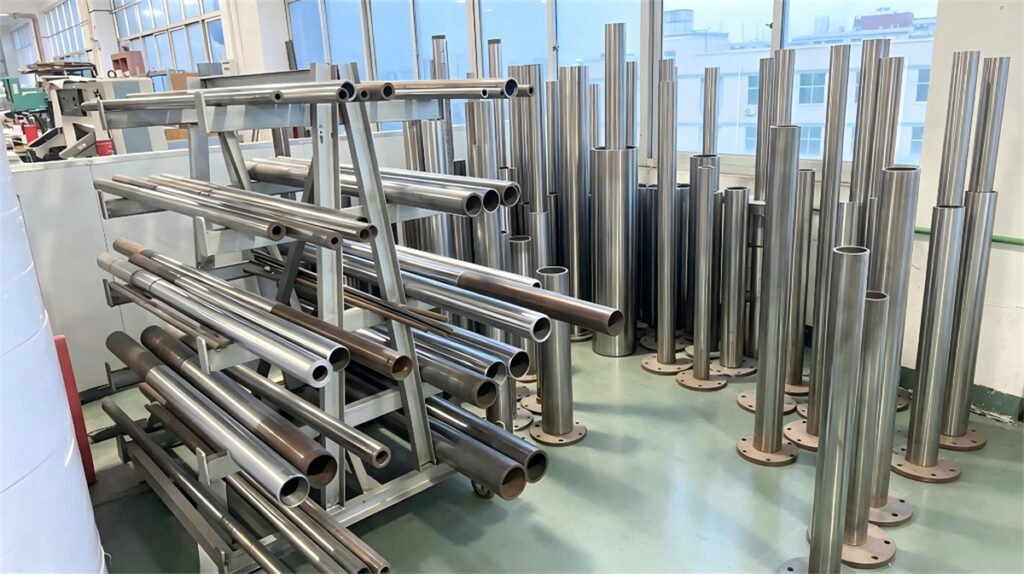
However, for projects requiring uncommon or highly customized dimensions, we can also manufacture new molds based on specific requirements.Depending on the tube diameter and structure, custom tooling generally requires an additional 10–15 days before sampling can begin.
Available Paper Tube Diameters
The table below shows the standard tube diameters currently available for our cylinder gift box production.
| Inner Diameter CM | Inner Diameter CM | Inner Diameter CM | Inner Diameter CM | Inner Diameter CM | Inner Diameter CM | Inner Diameter CM |
| 1.3 | 3.4 | 5.7 | 8.1 | 10.73 | 14.7 | 20.25 |
| 1.5 | 3.5 | 6.1 | 8.25 | 10.97 | 14.9 | 20.506 |
| 1.7 | 3.7 | 6.2 | 8.3 | 11.05 | 15.2 | 21.2 |
| 1.8 | 3.9 | 6.3 | 8.5 | 11.2 | 15.7 | 21.5 |
| 2 | 4.1 | 6.4 | 8.8 | 11.4 | 16.2 | 23.01 |
| 2.1 | 4.3 | 6.5 | 8.91 | 11.8 | 16.6 | 23.61 |
| 2.3 | 4.5 | 6.6 | 9 | 12 | 16.8 | 24.2 |
| 2.5 | 4.6 | 6.95 | 9.2 | 12.3 | 17.3 | 24.9 |
| 2.6 | 4.8 | 7.1 | 9.45 | 13.1 | 17.9 | 26.6 |
| 2.8 | 4.85 | 7.3 | 9.7 | 13.3 | 18.1 | 29 |
| 3 | 5.1 | 7.4 | 9.9 | 13.5 | 18.3 | 29.4 |
| 3.2 | 5.3 | 7.65 | 10.01 | 14.3 | 18.7 | 29.8 |
| 3.3 | 5.5 | 7.95 | 10.3 | 14.5 | 20 |
Tip: If your preferred diameter is not listed, contact us. We can often recommend the closest existing size to help reduce tooling investment while maintaining the desired packaging appearance.
Why Do Existing Tube Molds Matter?
In practice, choosing an existing mold helps brands reduce costs and accelerate packaging development. More specifically, existing molds provide the following advantages:
- Lower tooling investment
- Faster sample development
- Shorter production lead times
- Proven dimensional accuracy
- More stable mass production
Rather than creating new tooling for every project, many brands choose the closest available diameter and customize the tube height, printed artwork, lid structure, and inserts to achieve their desired packaging design.
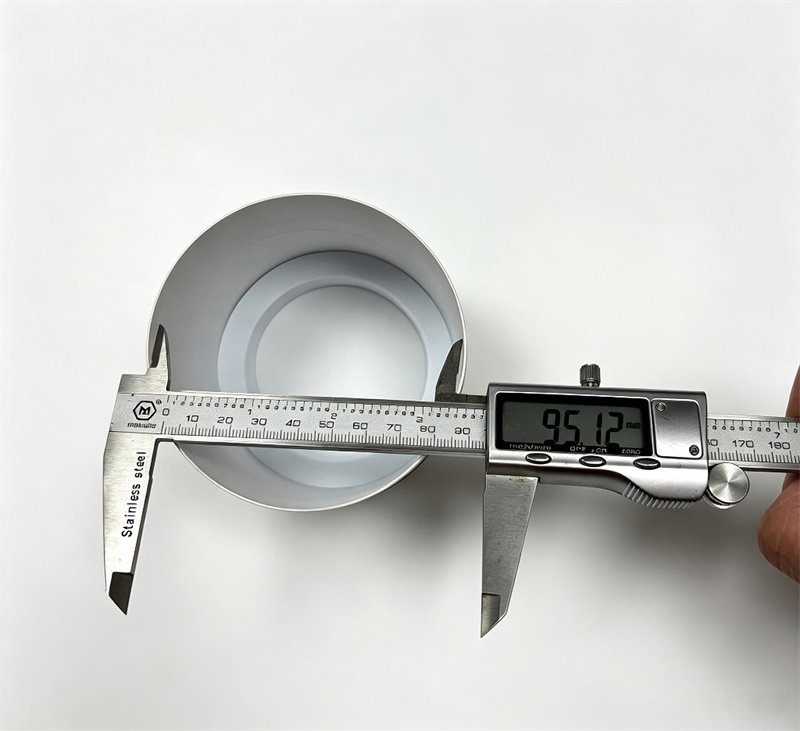
Based on our experience, choosing the closest existing mold size often delivers the best balance between cost, lead time, and packaging performance.
What If My Required Tube Size Is Not Available?
If your required diameter is not available, custom tooling is always possible.
When a project requires a unique diameter or special structure, we manufacture dedicated molds specifically for that design. Since each tube diameter requires its own complete tooling set, custom mold development involves additional cost and usually takes 10–15 days.
Whenever possible, we recommend evaluating existing mold sizes first. In many cases, a slight adjustment in diameter produces the same visual result while significantly reducing both development cost and lead time.
Using Tinplate Lids? Size Matching Matters.
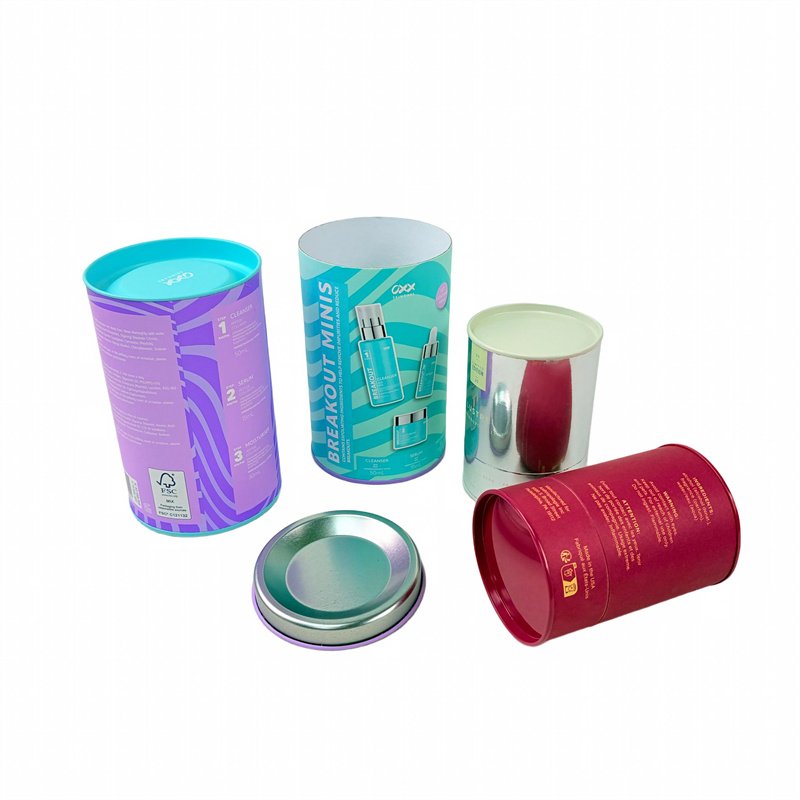
For projects using tinplate components, many premium cylinder gift boxes combine paper tube bodies with tinplate lids and bottoms.
Unlike all-paper constructions, these projects require both the paper tube diameter and the tinplate tooling to match precisely. Therefore, size verification should take place during quotation and package development rather than after artwork has been finalized.
Working with three long-term tinplate manufacturing partners, we evaluate their available tooling together with our own tube mold library to recommend the most suitable and cost-effective solution for each project.
Related Resources
To better understand the complete manufacturing process of cylinder packaging, you may also find these guides helpful:
Frequently Asked Questions
What are the standard sizes for paper tubes?
Standard paper tube diameters vary by manufacturer. Most factories maintain a selection of existing mold sizes that support common packaging applications while reducing tooling costs and development time.
Can paper tube sizes be customized?
Yes. Both diameter and height can be customized. However, if a new tube diameter is required, manufacturers usually need to produce a dedicated mold before production begins.
Is tooling cost for cylinder gift boxes expensive?
Every tube diameter requires its own tooling set, including forming and production molds. Larger tube diameters generally require more complex tooling and therefore higher investment. For this reason, many projects are developed using existing mold sizes whenever possible.
Why do experienced manufacturers have more mold sizes?
Over years of continuous production, manufacturers accumulate tooling from thousands of previous projects. A larger mold library provides customers with more diameter options, reduces development costs, and significantly shortens sampling lead times.
Can I customize the tube height without making a new mold?
In most cases, yes. Once the tube diameter has been determined, manufacturers can usually customize the tube height without producing a new diameter mold, making development much faster and more economical.
How do I choose the right paper tube diameter?
The ideal tube diameter depends on your product dimensions, insert design, packaging style, and branding requirements. Experienced manufacturers can often recommend the closest existing mold size to balance appearance, functionality, and cost.