Custom Paper Tube Packaging Manufacturing Process Explained
How are cylinder gift boxes made?
Manufacturers create cylinder gift boxes by wrapping printed decorative paper onto tube cores, then cutting, curling edges, assembling lids and bases, and carrying out final inspection. The process combines automated production with skilled manual finishing to achieve premium cylindrical packaging.
Cylinder gift boxes are made by wrapping printed decorative paper onto paper tube cores — which can be rigid or carton tubes — then forming lids and bases through edge-curling and assembly to create branded, premium cylindrical packaging.
Also known as cylindrical gift boxes or tube gift packaging, these boxes differ from industrial paper tubes in both purpose and production focus. While industrial tubes emphasize load-bearing strength and structural performance, cylinder gift boxes prioritize appearance, branding precision, and user experience. Transforming a plain tube core into a finished round gift box typically requires a combination of semi-automatic machinery and skilled manual craftsmanship.
What Styles of Cylinder Gift Boxes Are Available?
What types of cylinder gift boxes are there?
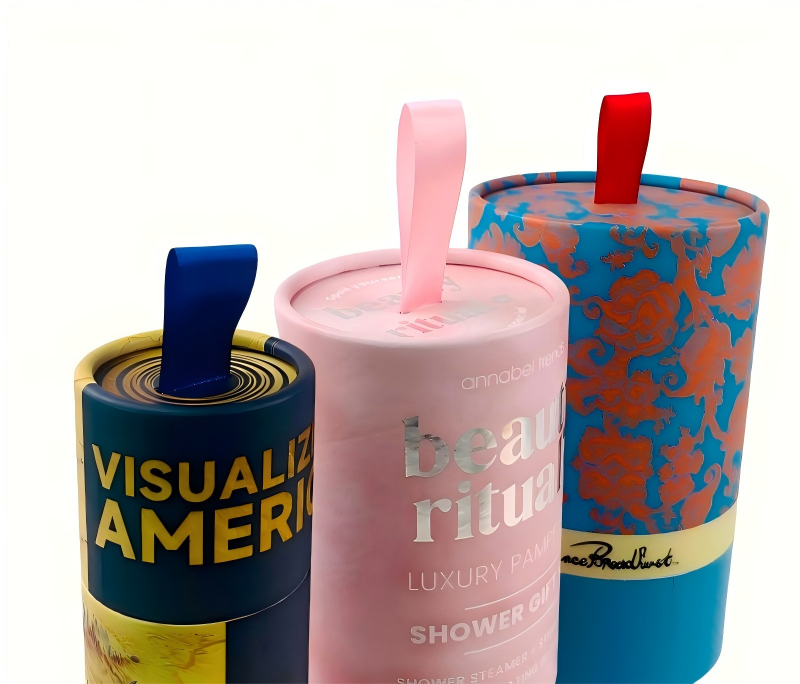
The most common cylinder gift box structures include telescope-style boxes and shoulder / neck-style boxes. The main difference lies in how the lid and base fit together, which affects the overall appearance, opening experience, production method, and packaging cost.
1. Telescope Style
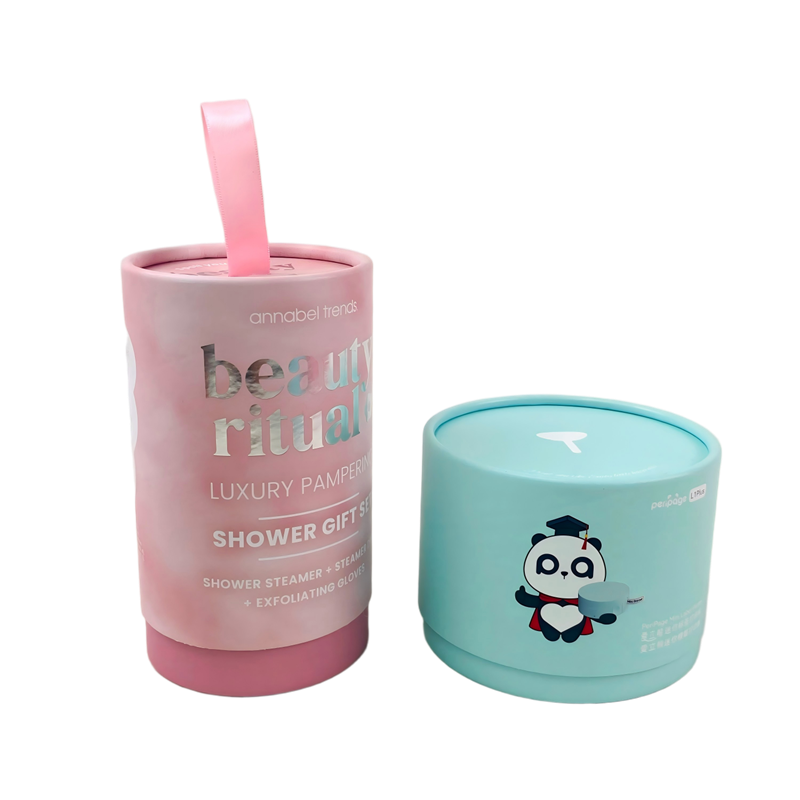
In telescope-style cylinder gift boxes, the lid diameter is slightly larger than the body, allowing the lid to slide over the base for closure.
Depending on the design, the lid can either:
- Fully extend down the body for a taller and more premium appearance
- Function as a shorter cap-style lid covering only part of the tube
This is one of the most widely used structures for cosmetics, candles, apparel accessories, and retail gift packaging because of its flexible design possibilities and relatively efficient production process.
2. Shoulder / Neck Style
Shoulder-style cylinder boxes feature an additional inner tube positioned between the lid and base.
This visible middle section creates a layered appearance and helps achieve.
This structure is commonly used for luxury gift packaging, premium cosmetics, tea, whisky, and high-end promotional packaging.
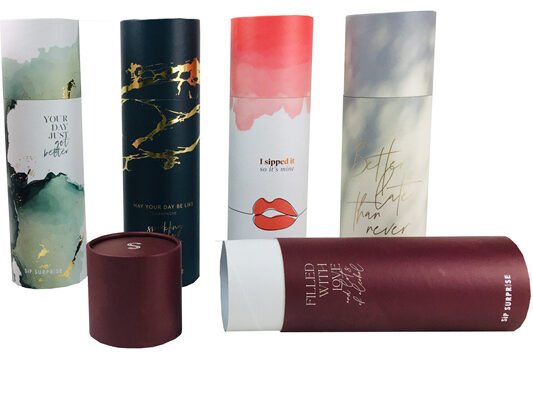
Wrapping Materials – From Standard to Luxury
Just like rigid paper boxes, cylindrical gift boxes can be wrapped with various materials depending on branding and budget:
- Coated art paper (most common)
- White/Natural kraft paper
- Black kraft paper
- Metallic foil / Metpol paper
- Textured fancy paper
- Fabric or specialty materials
Material choice directly affects printing sharpness, tactile feel, and overall brand positioning.
Learn more from our know how page regarding Paper Materials Suggestion for Custom Luxury Packaging
Different wrapping materials also influence foil stamping performance, embossing sharpness, scratch resistance, and overall packaging durability.
For brands planning a cylinder gift box project, clearly defining your budget and desired finish is essential — experienced packaging manufacturers can then recommend the most suitable and cost-effective solution.
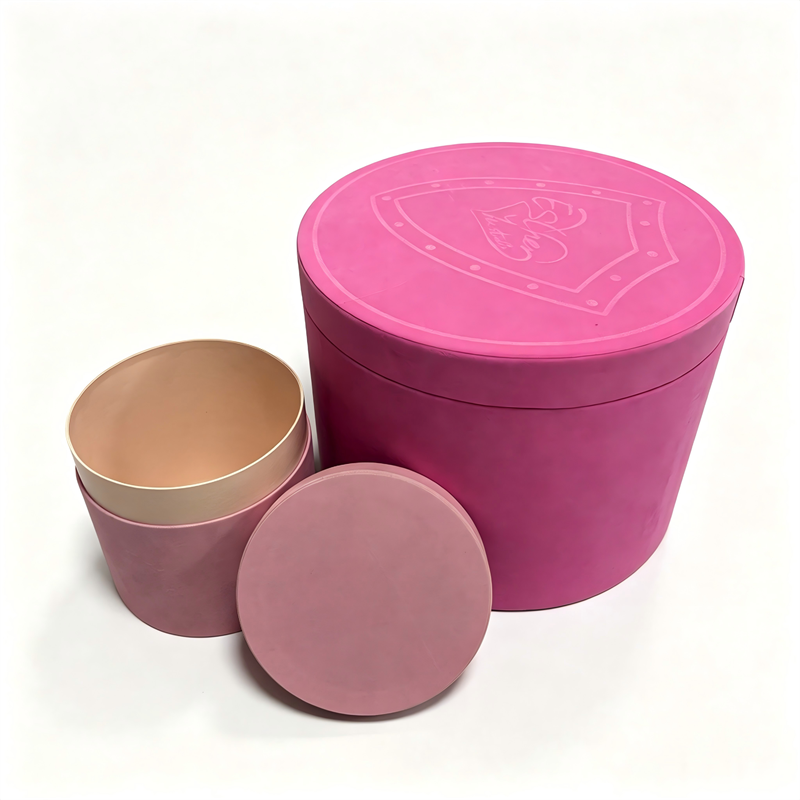
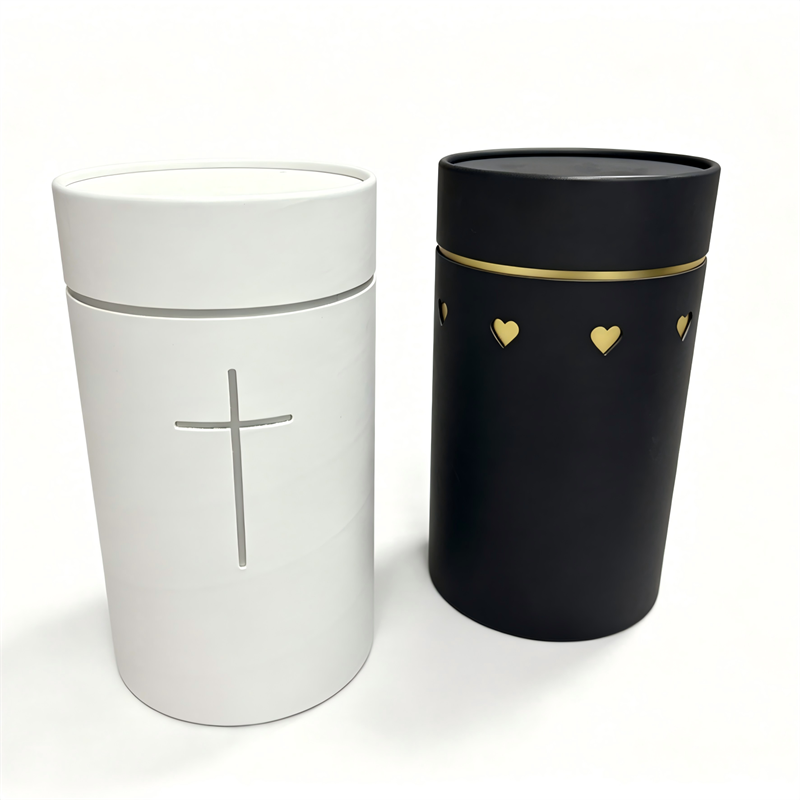
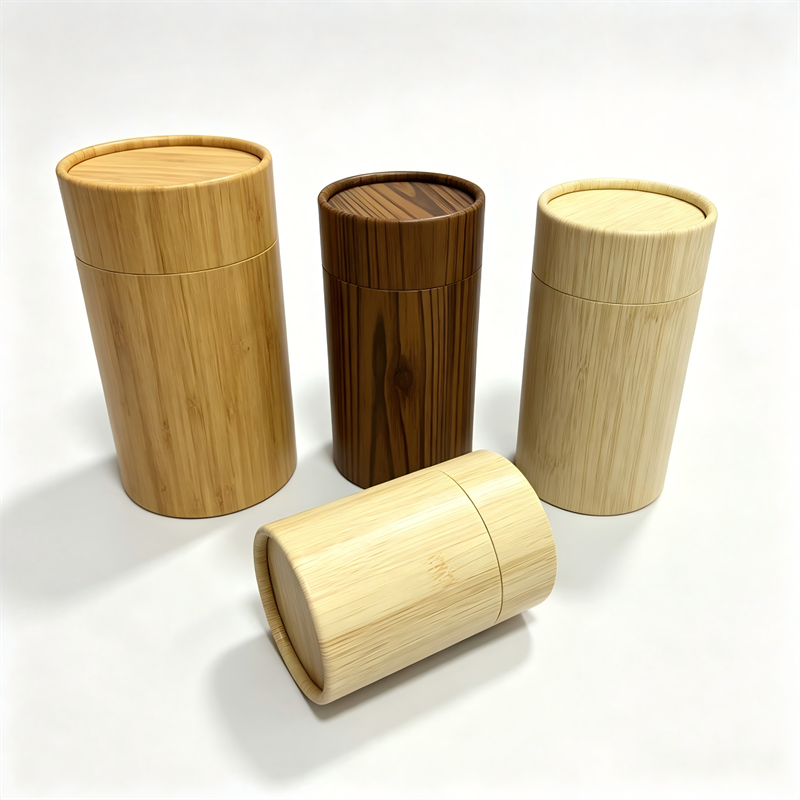
Lid & Edge Finishing – The Most Critical Craft Detail
Compared to standard rigid boxes, the most challenging and distinctive part of cylinder gift box production lies in edge finishing.
This process combines machinery and manual craftsmanship, and different techniques directly impact both appearance and cost.
A. Curled / Beaded Edge (Most Economical)
This is the most widely used and cost-effective solution.
We roll the edges inward to form a smooth and safe rim, making it ideal for large-volume production.
B. Flat Top (Precision & Experience Required)
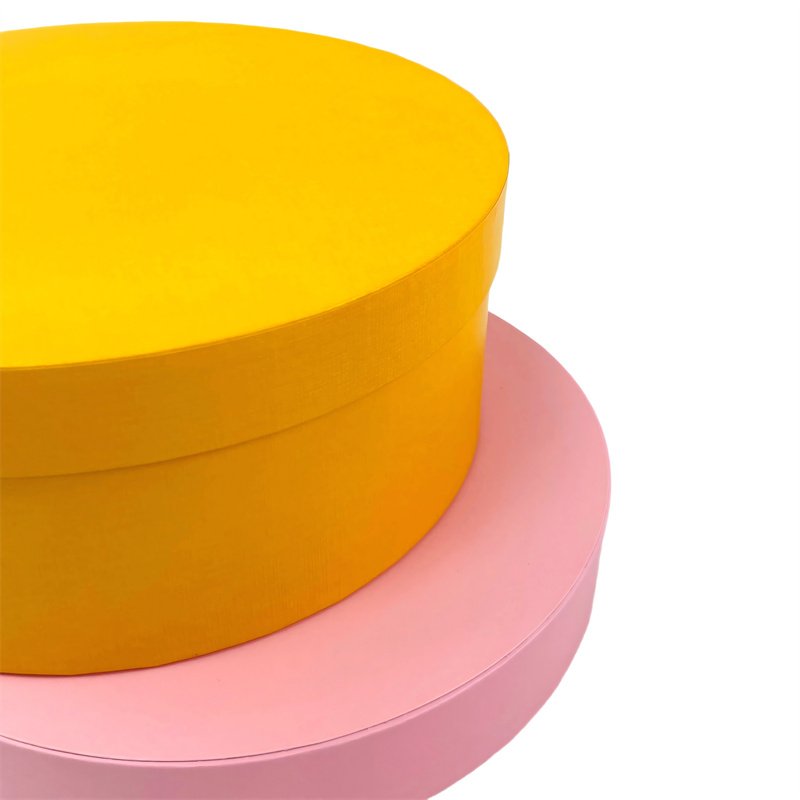
Flat-top lids require higher precision, better tooling, and experienced operators.
Traditional methods used a top board glued directly onto the tube, often leaving visible “teeth marks” that were difficult to avoid.
Today, we combine improved machinery with manual adjustment to significantly reduce these marks, achieving a much cleaner and more refined finish.
In actual production, achieving a clean flat-top finish often depends on both operator experience and machine calibration. Even small alignment differences can affect the final appearance of the lid. Flat-top cylinder boxes often look simple in renderings, but achieving a clean and seamless edge finish in mass production is technically challenging.
C. Tinplate Lid & Base Options
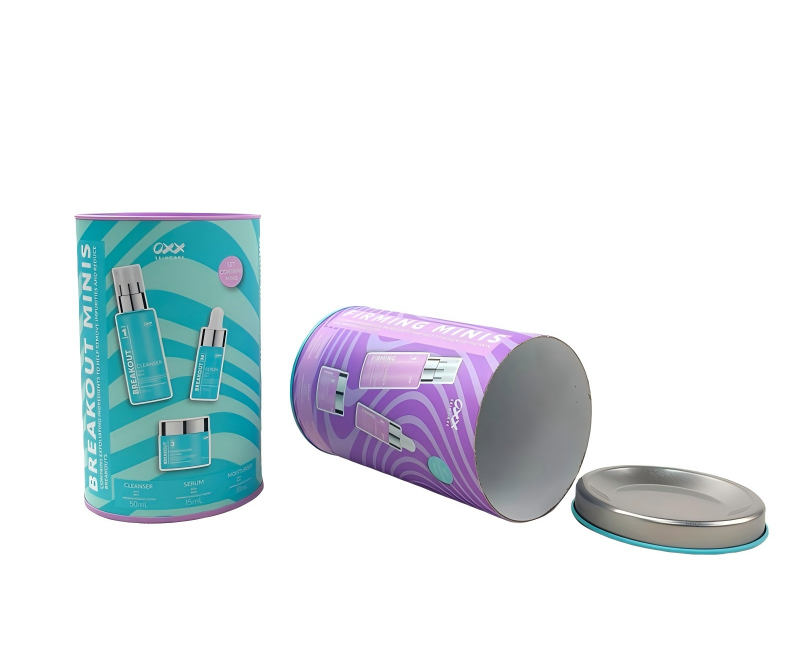
For premium or heavy-duty packaging, we can integrate tinplate lids and bottoms.
With coordinated suppliers, we provide one-stop solutions for paper tube boxes with metal components, widely used for whisky, tea, and high-end gift packaging.
Step-by-Step Production Flow of a Custom Cylinder Gift Box
What is the production process of cylinder gift boxes?
The production process typically includes artwork wrapping, tube cutting, edge rolling, lid and base assembly, and final inspection. Each stage helps ensure dimensional accuracy, visual consistency, and packaging durability.
View available paper tube diameters and existing mold sizes in next article.
Using real production examples, a typical workflow looks like this:
Step 1 – Printed Paper Wrapping
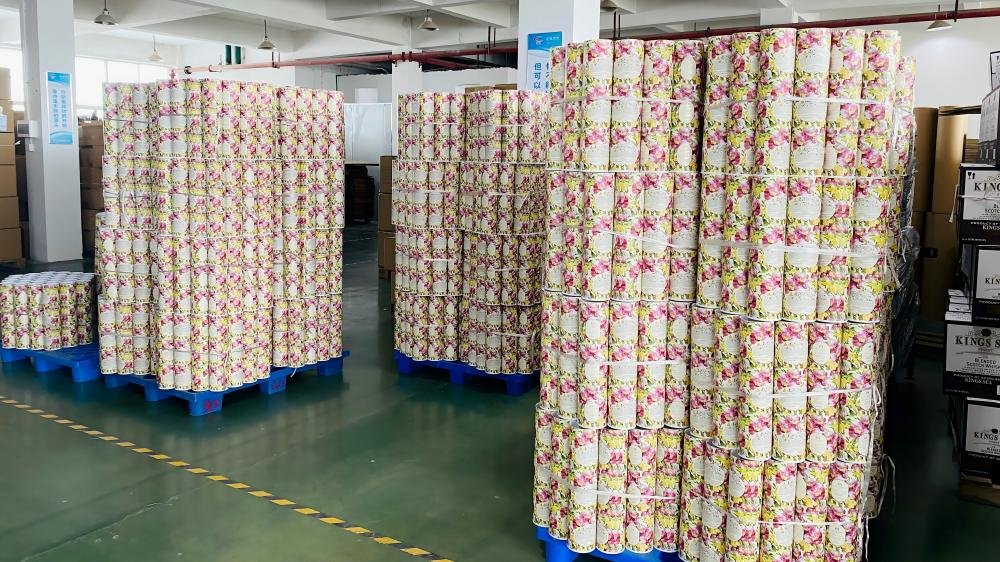
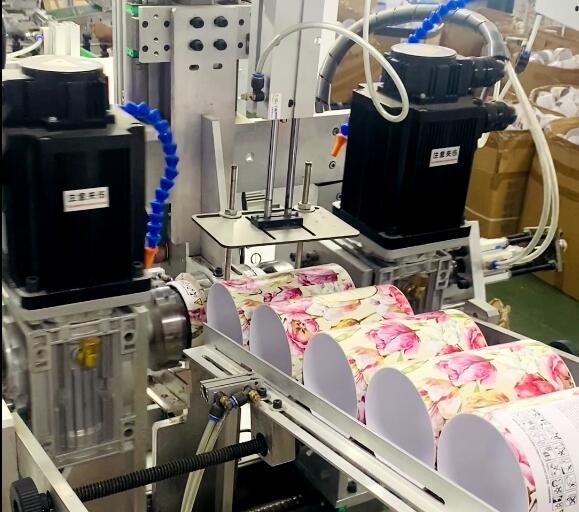
We laminate and wrap the printed artwork onto the selected tube core with precise alignment to ensure centered logos and seamless graphics.
Depending on the artwork design, structure, and production quantity, we choose either skilled manual wrapping or semi-automatic machine wrapping to achieve the most suitable production result for each project. Since the two methods use different production approaches, the adhesive systems also vary accordingly to ensure proper bonding performance and wrapping quality.
Although automatic tube wrapping technology is still evolving within the industry, we continuously explore more advanced production equipment to improve consistency and manufacturing efficiency.
At the end of this article, you can see a complete cylinder gift box production video at the actual manufacturing process.
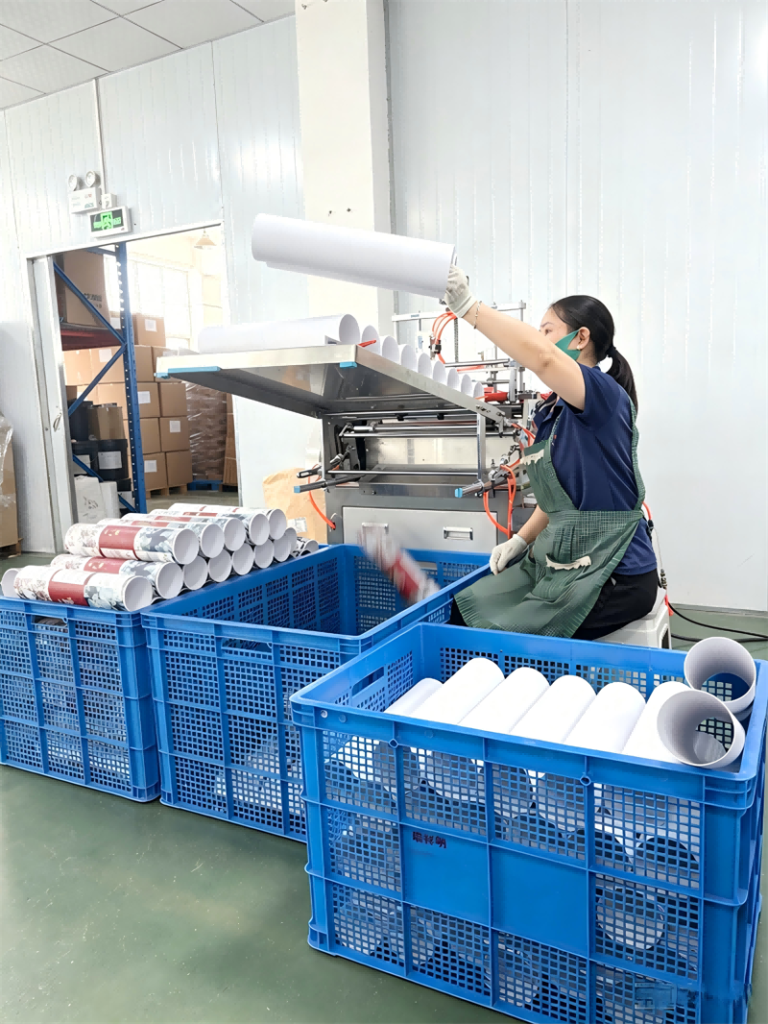
The tube core used here is pre-manufactured through an industrial winding process — as explained in our guide on How Are Paper Tubes Made? — which ensures structural consistency before decorative finishing.
Step 2 – Cutting & Edge Rolling
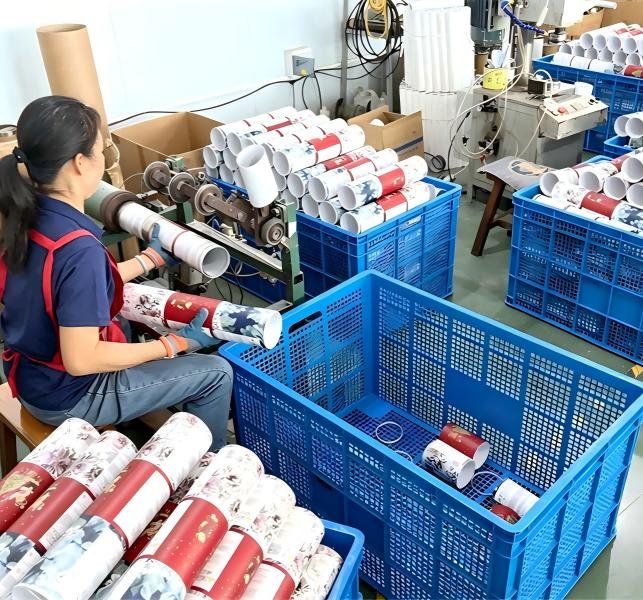
After wrapping, we cut the tubes into lids and bases while simultaneously curling the edges to form a smooth and refined rim.
Depending on the box structure and production requirements, this process can be completed using either semi-automatic machines or manual cutting equipment. In some cases, experienced operators using manual cutting machines can actually achieve higher efficiency and greater flexibility than semi-automatic production lines, especially for custom projects or smaller production runs.
Choosing the right production method for each project is an important part of maintaining both efficiency and quality consistency.
Step 3 – Disc & Inner Tube Assembly
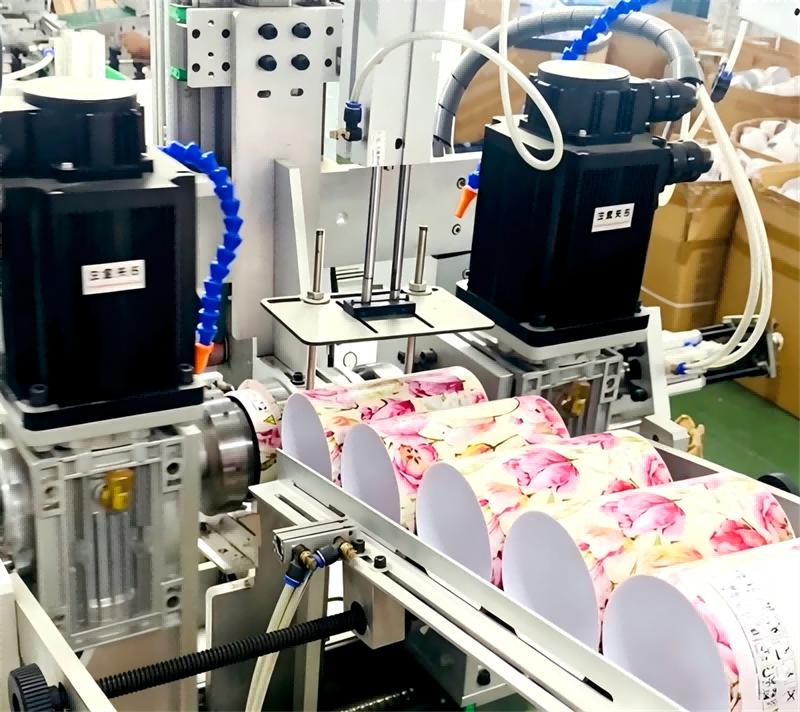
We assemble the lid and base on a semi-automatic line by gluing top or bottom discs onto the rolled tube edges.
If the design includes a ribbon puller, we attach it to the disc before assembly.
We then insert the inner shoulder tube (for shoulder-style boxes) to complete the structure.
Continue scrolling to watch the complete cylinder gift box production video and see how the full manufacturing process comes together in actual production.
Step 4 – Final Inspection & Packing
After completing the lid and base, we carry out matching, inspection, and protective packing to ensure all components meet quality standards before shipment.
For flat-top constructions, we apply additional combined machine-and-manual techniques — a process that requires higher precision and will be explained separately.
Common Applications of Cylinder Gift Boxes
Custom cylindrical packaging is widely used for:
- Cosmetics and skincare products
- Candles and fragrances
- Apparel accessories
- Wine and spirits
- Gift and promotional packaging
Why Choose Cylinder Gift Box Packaging?
Many brands choose cylinder gift boxes because their products naturally suit a round packaging structure, such as candles, bottles, apparel accessories, or rolled items.
Compared to traditional folding cartons or rigid boxes, cylindrical packaging creates a stronger visual impact on shelves while also providing better protection for round-shaped products.
In addition, cylinder gift boxes offer:
- Strong brand differentiation
- Premium unboxing presentation
- Flexible decorative finishing options
- Recyclable and sustainable paper materials
This combination of functionality and presentation makes cylinder packaging especially popular for cosmetics, fragrances, whisky, tea, and luxury promotional packaging.
Frequently Asked Questions
Are cylinder gift boxes recyclable?
Most cylinder gift boxes are recyclable because manufacturers primarily use paperboard, kraft paper, and paper tube cores. Recyclability may vary depending on decorative materials such as metallic foil or specialty laminations.
Is tooling cost for cylinder gift boxes expensive?
Yes — producing cylinder gift boxes requires a complete set of molds and tooling for each tube diameter and structure. Tooling costs can be significant, especially for larger diameter tubes, since bigger molds are more complex and expensive to manufacture.
For this reason, most custom projects are usually developed based on existing mold sizes whenever possible. Using existing molds helps brands reduce development costs, shorten sampling lead times, and accelerate production setup.
Over years of production, experienced manufacturers typically accumulate a large library of existing tube molds covering a wide range of diameters and structures.
In our next article, we will show the available paper tube sizes and existing mold dimensions commonly used for custom cylinder gift box production.
What products are best suited for cylinder gift packaging?
Cylinder packaging is commonly used for candles, cosmetics, whisky bottles, tea, apparel accessories, posters, and premium promotional gifts.
Depending on the product requirements, the inner lining of the paper tube can also be customized accordingly. For example, manufacturers may use PE-coated paper for moisture resistance or aluminum foil lining for enhanced barrier protection, aroma preservation, or food-related applications. Selecting the appropriate inner lining helps improve both product protection and packaging performance.
Related Resources
How Are Paper Tubes Made?
Learn how paper tube cores are manufactured through spiral winding and other production processes.
Paper Tube Sizes & Existing Mold Availability
Explore available tube diameters and how existing molds help reduce tooling costs.