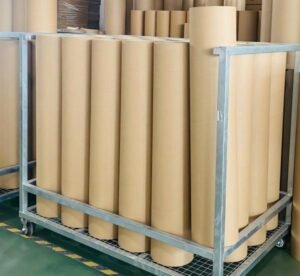
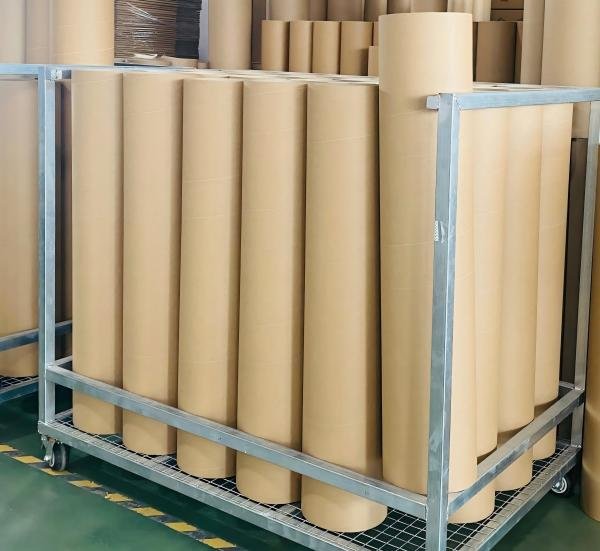
Paper tubes are made by winding multiple layers of paperboard around a rotating mandrel using adhesive, then cutting, drying, and inspecting them to achieve the required strength, diameter, and length.
This process is commonly known as spiral winding or convolute winding and is widely used for packaging and industrial applications.
What Is a Paper Tube?
A paper tube is a cylindrical structure made from layers of paper or paperboard bonded together with glue.
Paper tubes are widely used in packaging, textiles, films, labels, construction, and protective shipping, offering a lightweight yet strong and recyclable solution.
Mold Selection and Tube Sizes
Before production begins, selecting the correct mold and tube size is a crucial step in paper tube manufacturing. Experienced manufacturers maintain an extensive library of molds accumulated over years of production, covering hundreds of diameter and height combinations. This wide selection allows for:
- Faster production setup
- Precise tube dimensions
- Cost savings for clients, as most orders can use existing molds without the need for new tooling
For rare or unique sizes outside our existing range, we can produce custom molds, typically within 10–15 days. However, thanks to our extensive mold library, we usually recommend selecting the closest available size to achieve faster development and lower costs. Once we confirm the mold, we prepare the tube cores for winding and subsequent production stages.
Paper Tube Manufacturing Process (Step by Step)
Below is a standard paper tube manufacturing process used in most industrial paper tube factories.
Step 1: Paperboard Selection
The process starts with selecting the right paper materials, such as:
- Kraft paper
- Recycled paperboard
- Specialty laminated paper (if required)
The paper grade and thickness directly affect the tube’s strength, rigidity, and application.
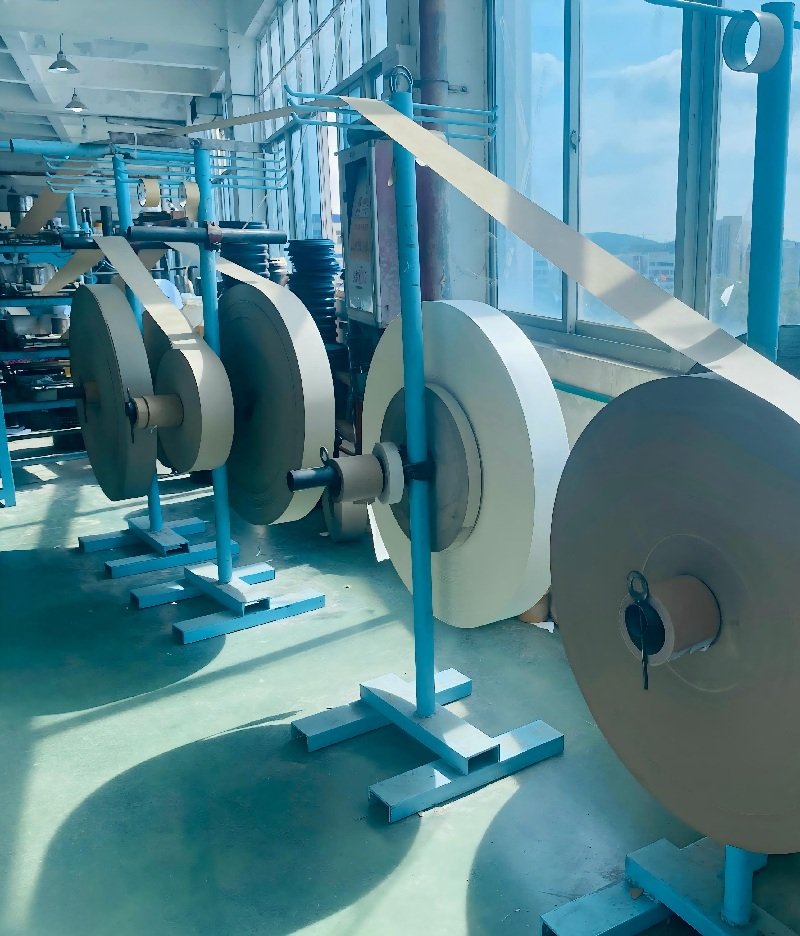
Step 2: Glue Application
With the paperboard selected, applying the glue evenly is crucial to achieve strong, durable, and moisture-resistant paper tubes.
The quality and consistency of the glue play a key role in:
- Layer bonding strength
- Moisture resistance
- Final tube durability
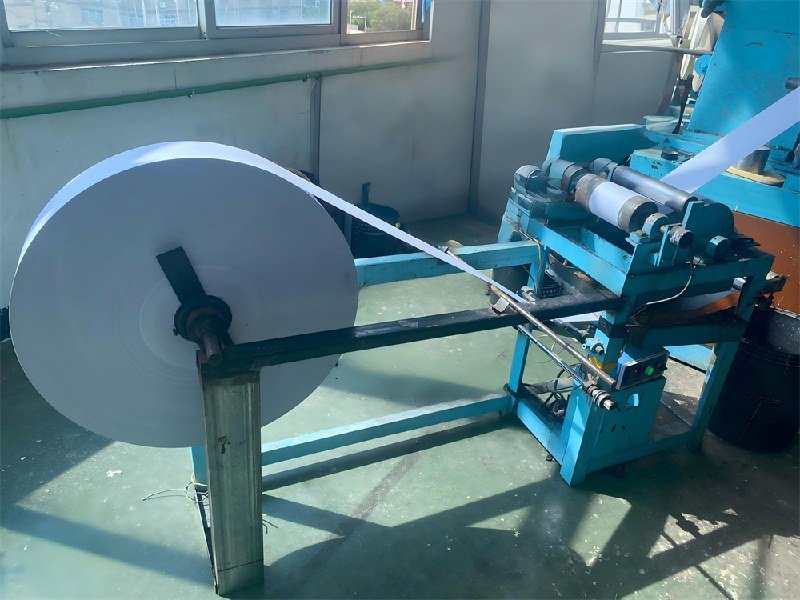
Step 3: Spiral Winding (or Convolute Winding for Precision Tubes)
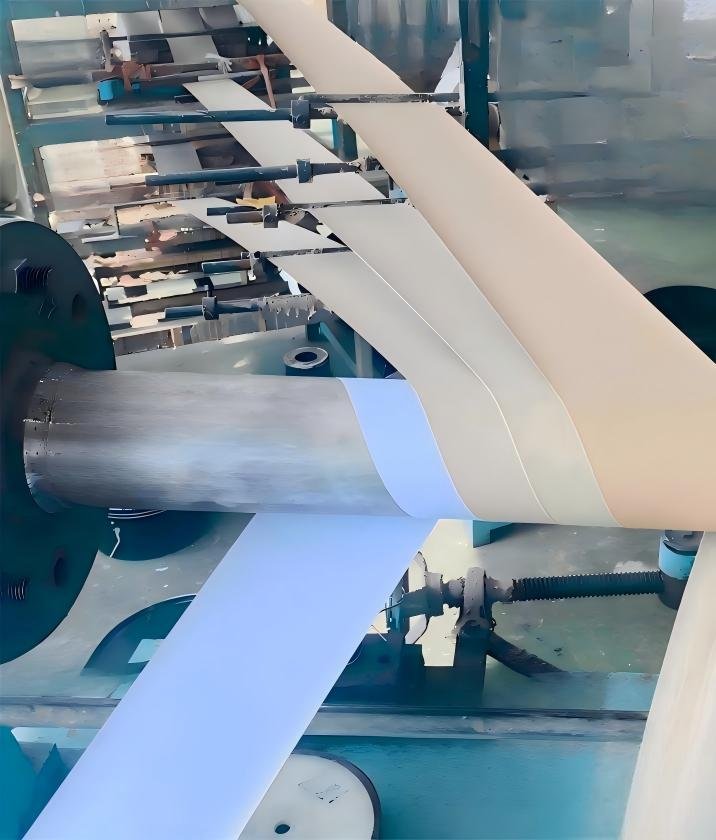
We wind the glued paper around a steel mandrel under controlled tension to form the tube body.
- Spiral winding: paper is wrapped around the mandrel at an angle and is the most common method used in paper tube manufacturing.
- Convolute winding: paper is wrapped parallel to the mandrel and is typically used for high-precision or heavy-duty tubes.
This winding process determines the tube’s diameter, wall thickness, and overall core strength.
Step 4: Cutting to Length
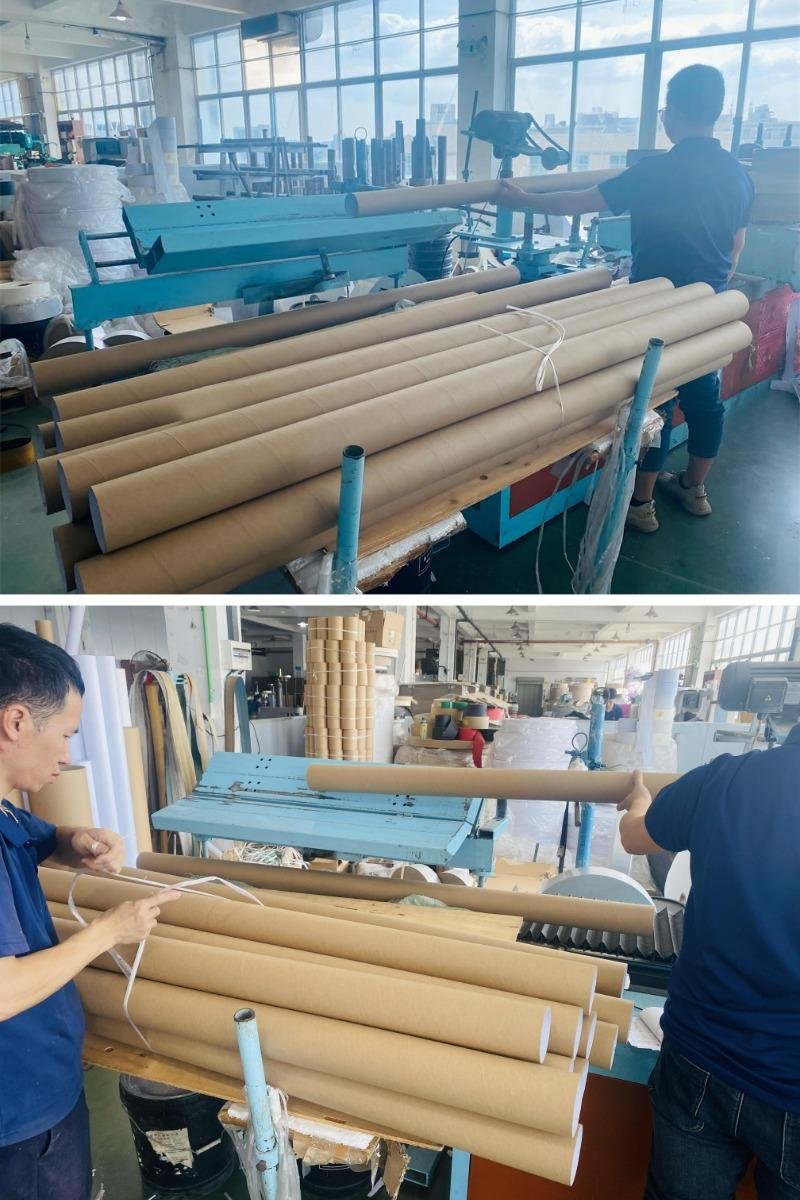
Once the tube reaches the required wall thickness, it is cut into specified lengths using cutting machines selected based on production requirements.
Depending on order volume and precision needs, paper tubes can be cut using:
- Semi-automatic cutting machines operated by skilled workers
- Fully automatic cutting systems, such as flying knife units, for high-volume production
Accurate cutting ensures consistent tube length and clean edges, which is especially important for industrial and packaging applications.
Step 5: Drying and Curing
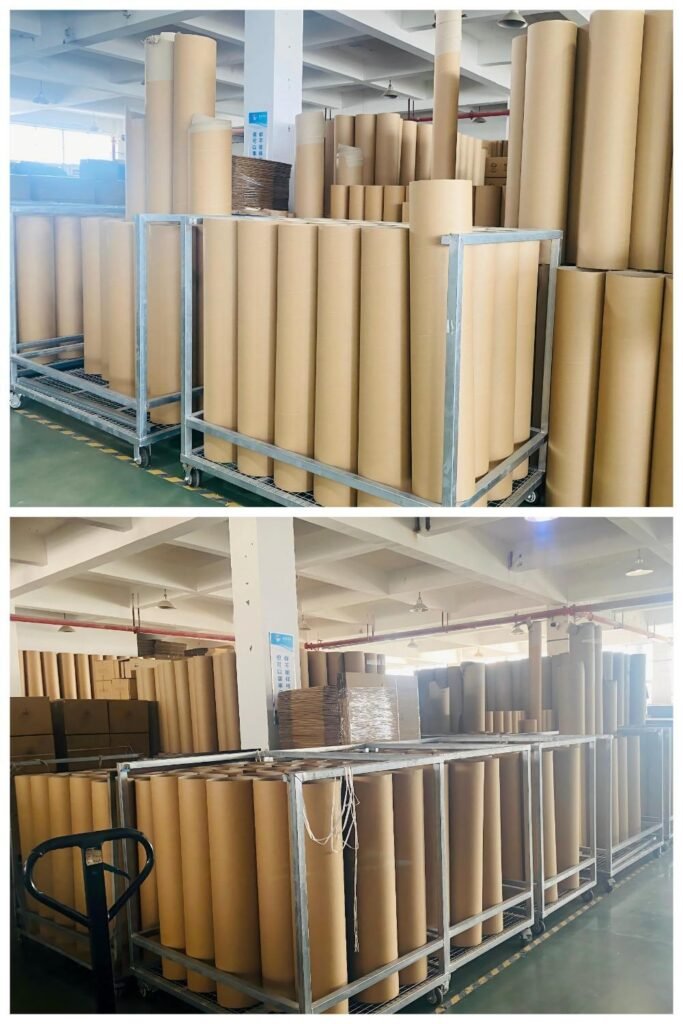
After cutting, we properly dry and cure the paper tubes to stabilize their structure.
To ensure consistent quality, we use controlled drying methods tailored to each application. Depending on the application, we then place tubes in a controlled dehumidifying room. Controlled dehumidification is especially important for preventing deformation, ensuring consistent tightness, and maintaining dimensional stability.
This drying and curing process allows the adhesive to fully bond the paper layers and ensures long-term strength and shape retention.
Step 6: Quality Inspection
Once drying and curing are complete, we conduct quality inspections to ensure the paper tubes meet all specification requirements.
Typical inspection checks include:
- Inner and outer diameter tolerance
- Wall thickness consistency
- Roundness and straightness
- Surface cleanliness and edge quality
- Winding tightness and structural integrity
We carefully inspect each tube and rework or reject any that fail to meet quality standards, ensuring only stable and reliable products move forward to packaging or further processing.
Spiral Wound vs Convolute Paper Tubes
| Type | Structure | Typical Uses |
|---|---|---|
| Spiral Wound | Angled paper layers | Packaging, textile cores, shipping tubes |
| Convolute Wound | Parallel paper layers | High-strength, precision industrial tubes |
Common Applications of Paper Tubes
Paper tubes are widely used for:
- Packaging and mailing tubes
- Textile and fabric cores
- Film, foil, and label winding
- Protective shipping solutions
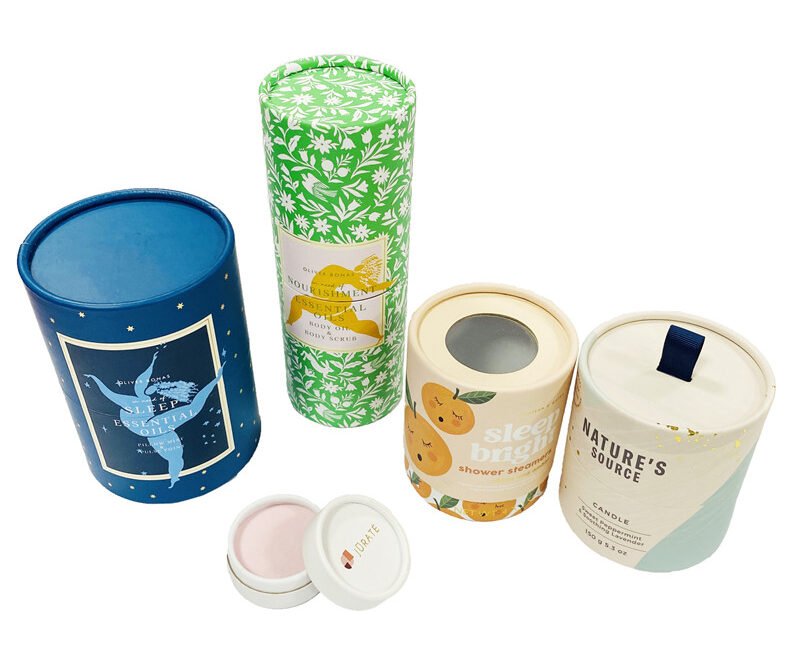
- Consumer product packaging
Why Paper Tubes Are a Sustainable Choice
Paper tubes are:
- Made from renewable materials
- Fully recyclable
- Lightweight, reducing shipping emissions
- A strong alternative to plastic tubes
This makes them a popular solution for eco-conscious brands and industrial buyers.
Inside a Paper Tube Factory (Experience Matters)
In real production environments, controlling tension, glue ratio, and cutting precision is what separates standard tubes from reliable industrial-grade paper tubes.
Experienced manufacturers rely on skilled operators and consistent process control to ensure every tube performs as expected.
For custom packaging solutions using paper tubes, see our guide on How are Paper Tube Gift Boxes Made.