The EU Packaging and Packaging Waste Regulation (PPWR), Regulation (EU) 2025/40, has applied since 12 August 2026. It introduces new requirements for packaging placed on the EU market, regardless of where it is manufactured.
For brands and importers sourcing paper packaging from China and other non-EU countries, this means paying closer attention to packaging materials, chemical substances, recyclability, design and compliance documentation.
Whether you source folding cartons, rigid gift boxes or paper carrier bags, your packaging must meet the applicable PPWR requirements before being placed on the EU market.
So, what does PPWR actually mean for paper packaging? What documents should you request from your supplier? And what should you expect from your packaging converter?
This guide explains the key requirements and how to prepare your packaging projects.
1. What Is PPWR and Who Does It Apply To?
PPWR replaces the previous EU Packaging and Packaging Waste Directive (94/62/EC) with a regulation that applies directly across EU member states.
Its main objectives are to:
- Reduce packaging waste and unnecessary packaging.
- Restrict hazardous substances in packaging materials.
- Improve packaging recyclability.
- Increase the use of recycled materials where applicable.
- Harmonise packaging labelling and waste sorting information.
PPWR applies to all packaging placed on the EU market, including packaging manufactured outside Europe and imported into the EU.
For packaging buyers, the important point is that sourcing from an overseas factory does not remove the compliance requirements. The relevant economic operators must ensure that the packaging meets the applicable rules.
2. How Does PPWR Affect Paper Packaging?
For printed paper boxes, rigid gift boxes and paper bags, four areas deserve particular attention.
A. Restrictions on Hazardous Substances
Under Article 5, packaging must comply with restrictions on substances of concern.
One important requirement is that the combined concentration of lead, cadmium, mercury and hexavalent chromium must not exceed 100 mg/kg across packaging and its components.
This means compliance cannot be assessed by looking at the paperboard alone. Other materials used in production, including printing inks, adhesives, coatings and decorative finishes, must also be considered.
For food-contact packaging, additional PFAS restrictions apply from 12 August 2026.
What this means for buyers: Ask your supplier for relevant material declarations and test evidence covering the actual materials and finished components used in your packaging.
B. Packaging Recyclability
Article 6 introduces requirements to improve packaging recyclability.
From 2030, packaging will be subject to recyclability performance grades, with a minimum Grade C requirement. From 2038, the minimum will increase to Grade B.
For paper packaging, the choice of materials and construction can make a significant difference.
Some common examples include:
| Packaging component | Potential recyclability concern | Alternative to consider |
|---|---|---|
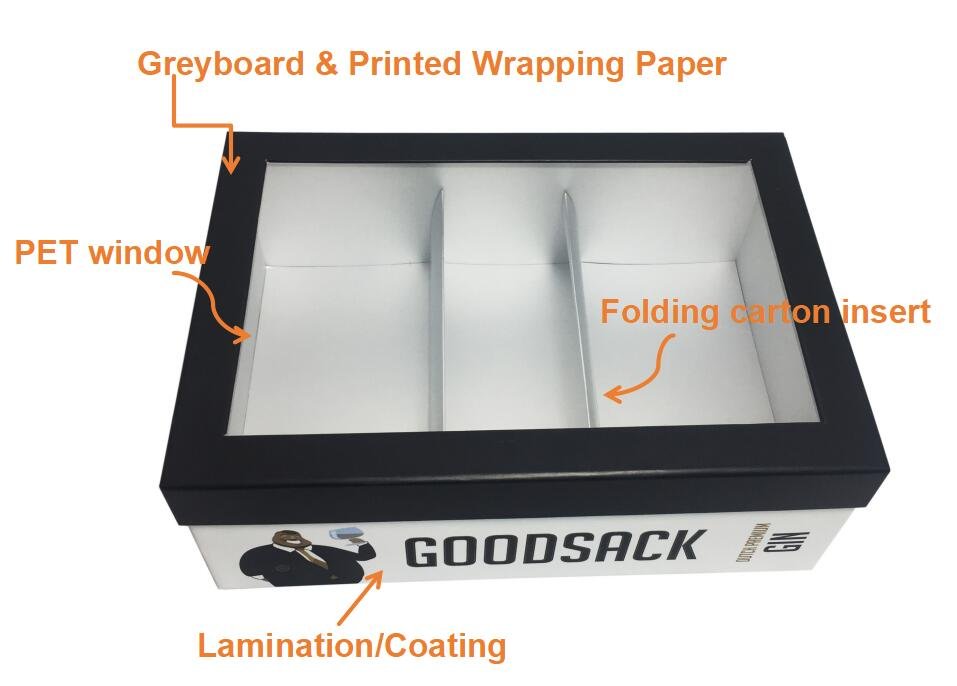
| PET or PVC window | Plastic film may complicate paper recycling | Open window or paper-based window |
| Full-surface plastic lamination | Makes fibre recovery more difficult | Water-based varnish or suitable coatings |
| Heavy metallic finishes | Large coverage can affect recycling | Limit foil to logos or small details |
| Magnetic closures | Magnets need to be separated | Ribbon closure or alternative structure |
| Plastic bag handles | Introduce non-fibre components | Paper handles |
| EVA foam inserts | Difficult to recycle together with paper | Greyboard or moulded pulp inserts |
This does not mean that every laminated or decorated paper box is automatically non-recyclable. The actual result depends on the materials, construction and applicable assessment criteria.
What this means for buyers: Consider recyclability at the design stage rather than trying to change the packaging after production specifications have been approved.
C. Packaging Minimisation
From 1 January 2030, Article 10 requires packaging weight and volume to be reduced to the minimum necessary to ensure its functionality.
This is particularly relevant to luxury gift packaging, where rigid boxes sometimes include oversized structures, false bottoms or unnecessary layers.
The objective is not simply to make every box thinner or smaller. Packaging must still provide adequate protection and fulfil its intended function.
The design should be justified by practical requirements such as product protection, presentation, handling and transportation.
D. Packaging Labelling
The EU is still finalising the harmonised packaging labelling requirements under PPWR.
Once the official specifications are published, brands and packaging suppliers can work together to incorporate the required labels into packaging artwork.
For now, it is important to follow the applicable existing national labelling requirements in the relevant markets and keep future labelling requirements in mind during artwork planning.
3. What Documents Are Needed for PPWR Compliance?
Documentation is one of the most important parts of PPWR preparation.
Brands and importers need sufficient technical information to demonstrate that their packaging meets the applicable requirements.
The following documents and records are particularly useful when preparing a packaging compliance file:
| Document / Information | What It Covers | Who Can Provide It |
|---|---|---|
| Packaging specification | Material types, grammage, components and construction | Packaging converter |
| Material declarations | Inks, adhesives, coatings, films and other components | Material suppliers, coordinated by converter |
| Heavy metal test reports | Lead, cadmium, mercury and hexavalent chromium | Accredited testing laboratory |
| PFAS-related declarations or test reports | Relevant materials used in food-contact packaging | Coating/material suppliers and testing laboratories |
| Recyclability information | Packaging structure, material composition and component details | Packaging converter, with brand input |
| FSC certificates and transaction certificates | Certified fibre sourcing and supply-chain traceability | Certified suppliers and converter, where applicable |
| EU Declaration of Conformity | Formal declaration of applicable PPWR conformity | Responsible manufacturer under the regulation |
Not every item in this table is a separate mandatory PPWR document. The required technical evidence depends on the packaging, applicable requirements and conformity assessment.
What Is the EU Declaration of Conformity?
The EU Declaration of Conformity (DoC) is the formal document confirming that the packaging has been assessed against the applicable PPWR requirements.
It is supported by technical documentation, which should include relevant product specifications, material information and evidence of conformity.
Under the regulation, the responsible manufacturer must retain the technical documentation and Declaration of Conformity for:
- 5 years for single-use packaging.
- 10 years for reusable packaging.
The exact legal responsibilities depend on the role of each economic operator. For example, an EU importer and a brand owner placing packaging on the market under its own name may have different obligations.
An overseas converter can provide essential technical information and supporting evidence, but should not automatically be treated as the party responsible for the EU Declaration of Conformity.
4. What Should You Expect from Your Packaging Converter?
Your packaging supplier plays an important role in supporting PPWR compliance because many compliance considerations begin with material selection and packaging construction.
A reliable packaging converter should be able to provide more than a finished box or bag.
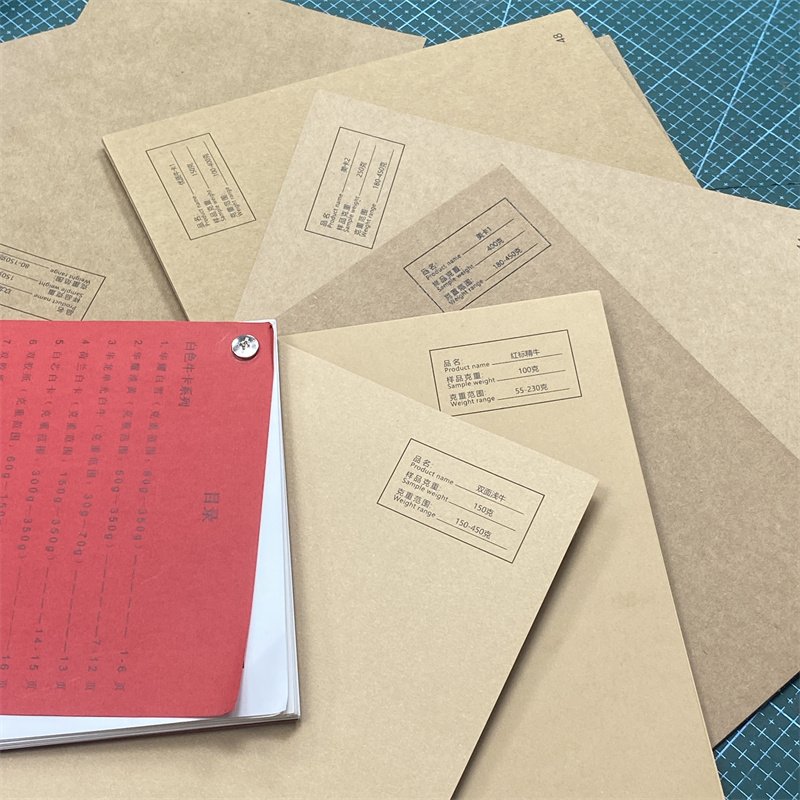
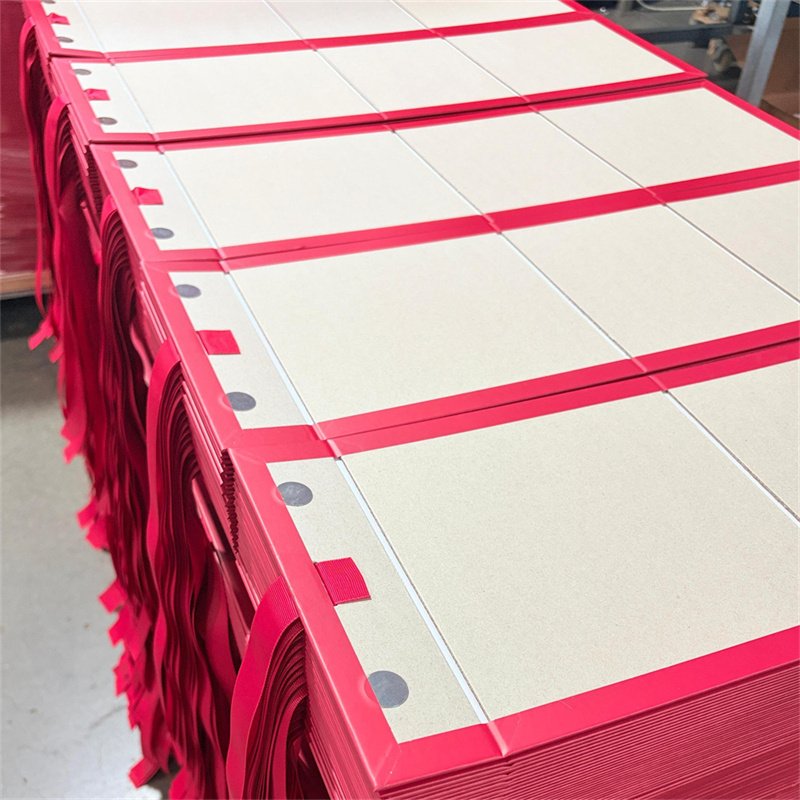

Here are four areas to consider when choosing your supplier.
1. Material Transparency
Your converter should be able to identify the main materials used in production, including paperboard, printing inks, adhesives, coatings, films and decorative components.
This information helps brands prepare their technical documentation and identify potential compliance concerns.
2. Supporting Test Reports and Declarations
Your converter should work with material suppliers and testing laboratories to obtain relevant declarations and test reports.
Where necessary, testing should cover the actual materials or finished components used in production rather than relying on unrelated generic reports.
3. Recyclability-Oriented Packaging Design
A capable converter should understand how different packaging structures and finishing techniques affect recyclability.
For example, they should be able to suggest alternatives to plastic windows, full-surface lamination, EVA inserts and other components that may complicate recycling.
4. Production Consistency and Traceability
Approved material specifications should be followed throughout production.
Any significant change to paper, ink, adhesive, coating or packaging construction should be communicated and assessed before implementation, so that the supporting documentation remains relevant to the finished packaging.
5. How to Prepare Your Packaging Specifications
PPWR compliance should be considered before sampling and production, not after the packaging has been manufactured.
When preparing an RFQ, we recommend discussing the following points with your packaging supplier:
| Item | Information to Confirm |
|---|---|
| Paperboard | Material type, grammage and FSC requirements, if applicable |
| Printing | Ink system and relevant material declarations |
| Surface finishing | Lamination, varnish, foil stamping and coating |
| Adhesives | Adhesive type and relevant supporting information |
| Inserts | Paperboard, greyboard, moulded pulp or plastic |
| Windows | Whether plastic film is necessary |
| Food contact | Whether any component is intended for direct food contact |
| Testing | Available test reports and any additional testing required |
| Documentation | Material specifications and supporting compliance records |
Discussing these details early helps avoid unnecessary redesign, additional testing and production delays.
6. How Chief Color Supports Your PPWR Compliance Work
Xiamen Chief Color has been manufacturing and exporting custom paper packaging since 2005.
As a packaging converter, we support our customers by providing accurate material information and relevant technical documentation for the packaging we produce.
Depending on the materials and construction used, we can provide FSC transaction certificates for relevant shipments, heavy metal test reports for finished components, and material declarations covering the inks and adhesives used in production.
We can also document the material composition and structural design of each packaging style to support recyclability assessments, offer fibre-only alternatives for most boxes and bags, and reserve space on the artwork for future compliance labelling.
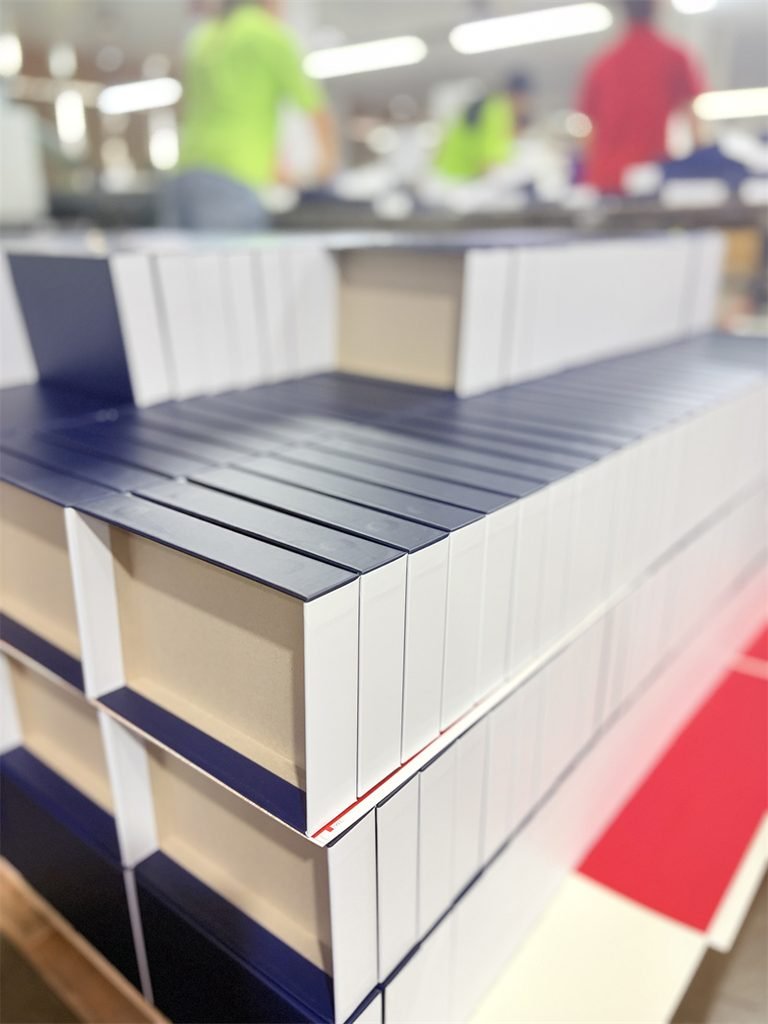
We provide the technical information and packaging solutions to support our customers’ PPWR compliance, while the legal responsibility for ensuring compliance and issuing the required declaration remains with the relevant responsible party.
If you are reviewing your packaging range for PPWR requirements, share your packaging structures, target markets and food-contact requirements with us. We can help identify potential recyclability concerns and explore suitable fibre-based alternatives at an early stage, before moving on to quotations.
You can also explore our rigid set-up boxes and gift paper bags to see the packaging structures we offer, or read more about post-consumer waste (PCW) board and its role in recycled-content packaging.
Frequently Asked Questions
Does PPWR apply to paper packaging imported from China?
Yes. PPWR applies to packaging placed on the EU market regardless of its country of manufacture. Imported paper boxes and bags must meet the applicable requirements.
Does FSC certification mean that packaging is PPWR compliant?
No. FSC certification provides evidence of responsible fibre sourcing and supply-chain traceability. It does not demonstrate compliance with all PPWR requirements, such as substance restrictions or recyclability.
Can laminated paper boxes still meet PPWR requirements?
It depends on the lamination material, coverage, packaging construction and applicable recyclability assessment criteria. Not all laminated packaging is automatically non-recyclable, but full-surface plastic lamination may create additional challenges.
Does every paper packaging product need a separate laboratory test?
Not necessarily. The required evidence depends on the materials, applicable substance restrictions and available technical documentation. Additional testing may be needed where existing declarations or evidence are insufficient.
Who is responsible for issuing the EU Declaration of Conformity?
The responsible manufacturer under PPWR must draw up the EU Declaration of Conformity after the required conformity assessment. The legal role depends on the specific supply-chain arrangement and how the packaging is placed on the EU market.
Need support with your paper packaging specifications?
Contact Chief Color to discuss your packaging structures, materials and documentation requirements before your next production order.
For further reference:
- PPWR: Regulation (EU) 2025/40
- Food Contact Materials: Regulation (EC) No 1935/2004
- Good Manufacturing Practice for Food Contact Materials: Regulation (EC) No 2023/2006
- Fibre-Based Packaging Recyclability: 4evergreen Fibre-Based Packaging Recyclability Evaluation Protocol
- FSC Chain of Custody Certification: FSC official website
This article is intended for general information and packaging sourcing purposes only. It does not constitute legal advice. PPWR requirements should be assessed according to the specific packaging, its intended use and the responsibilities of the relevant economic operators.